


Exploring Dharavi: Insights into Asia's Biggest Slum
- Citypulse Mumbai Tour

- Aug 25, 2025
- 4 min read
Stepping into Dharavi is like opening a vibrant, living book filled with stories of resilience, creativity, and community spirit. This bustling neighborhood in Mumbai is often described as a maze of narrow lanes, colorful homes, and thriving small businesses. But Dharavi is much more than just a slum - it is a testament to human endurance and ingenuity. As I wandered through its lively streets, I discovered a world that challenges stereotypes and invites us to see beauty in unexpected places.
The Heartbeat of Dharavi: Dharavi Cultural Significance
Dharavi is not just a place; it is a cultural mosaic where traditions from across India blend seamlessly. The cultural significance of Dharavi lies in its ability to nurture a diverse population that includes people from various states, religions, and backgrounds. This melting pot creates a unique social fabric that pulses with festivals, food, and art.
Walking through Dharavi, you can hear the rhythmic beats of local music, smell the aroma of street food like spicy vada pav and sweet jalebi, and see artisans crafting everything from pottery to leather goods. The community celebrates festivals like Diwali, Eid, and Christmas with equal enthusiasm, reflecting a spirit of unity and mutual respect.
One of the most inspiring aspects of Dharavi is how its residents have turned challenges into opportunities. Many small-scale industries operate here, including recycling, textiles, and pottery, providing livelihoods to thousands. These industries not only sustain families but also contribute significantly to Mumbai’s economy.

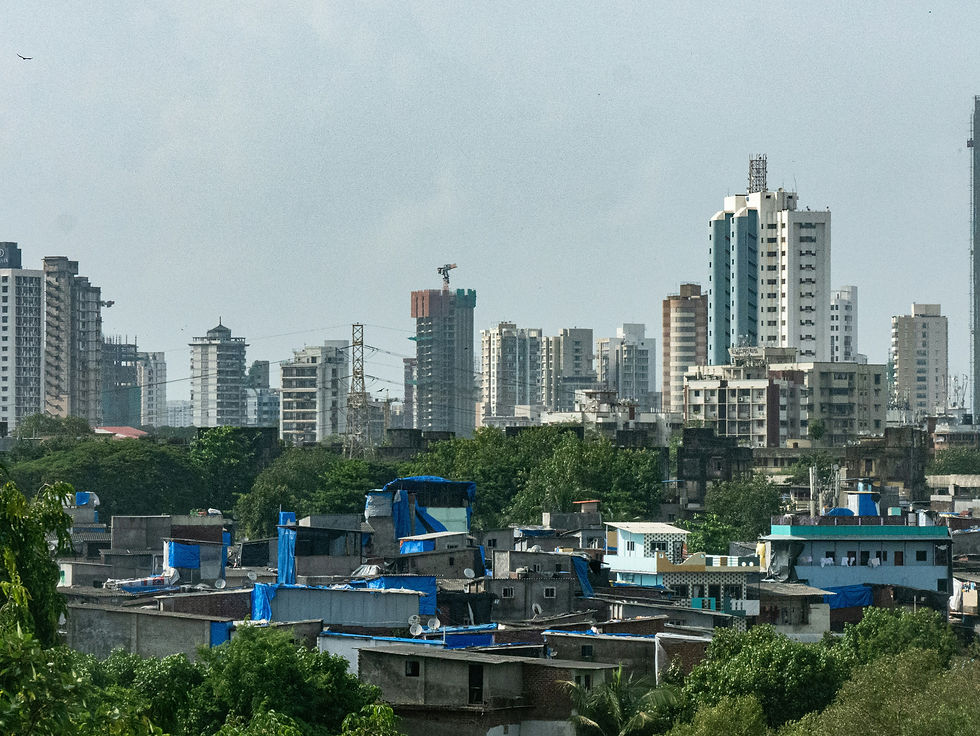
The vibrant streets of Dharavi showcase its rich cultural tapestry.
A Living Economy: How Dharavi Thrives
Dharavi’s economy is a fascinating ecosystem of micro-enterprises. Despite limited space and resources, the residents have built a thriving business community. From leather workshops to pottery kilns, every corner of Dharavi hums with activity.
If you visit Dharavi, you’ll notice the incredible recycling industry. It’s estimated that Dharavi recycles thousands of tons of waste every day, turning discarded materials into valuable products. This eco-friendly approach not only supports the environment but also creates jobs for many residents.
Small businesses here are often family-run, passed down through generations. This continuity preserves traditional skills and crafts, while also adapting to modern demands. For example, some leather artisans now export their products internationally, blending age-old techniques with contemporary designs.
Supporting these local businesses through responsible tourism can make a real difference. When you join a guided tour, you help empower the community by promoting sustainable income sources and encouraging cultural exchange.

Artisans in Dharavi create high-quality leather products using traditional methods.
What is the 5 Biggest Slum in the World?
When we talk about the largest slums globally, Dharavi often comes to mind due to its size and population density. It is one of the top five biggest slums in the world, alongside others like Kibera in Nairobi and Rocinha in Rio de Janeiro.
Each of these slums shares common challenges such as overcrowding, limited access to sanitation, and poverty. However, they also showcase remarkable community resilience and innovation. Dharavi stands out because of its vibrant economy and cultural diversity, which make it a unique urban phenomenon.
Understanding these slums helps us appreciate the complexity of urban poverty and the importance of inclusive development. It also highlights the need for responsible tourism that respects the dignity of residents and supports their aspirations.
Experiencing Dharavi Responsibly: Tips for Visitors
If you’re planning to explore asia's biggest slum, it’s essential to approach your visit with respect and sensitivity. Here are some practical tips to make your experience meaningful and positive:
Choose a guided tour with local operators - This ensures your visit benefits the community directly and you gain authentic insights.
Dress modestly and comfortably - Dharavi’s narrow lanes and busy workshops require practical clothing.
Ask permission before taking photos - Respect residents’ privacy and avoid intrusive photography.
Support local businesses - Buy handmade crafts or enjoy street food from trusted vendors.
Listen and learn - Engage with guides and locals to understand their stories and challenges.
By following these guidelines, you contribute to sustainable tourism that uplifts Dharavi’s residents and preserves its cultural heritage.
Recycling centers in Dharavi play a crucial role in the local economy and environment.
Beyond the Surface: The Human Stories of Dharavi
What truly makes Dharavi special are the people who call it home. Behind every narrow alley and bustling workshop is a story of hope, determination, and community spirit. I met shopkeepers who have been running their businesses for decades, women entrepreneurs who empower their families, and young artists who dream big.
One story that stayed with me was of a woman who started a small tailoring business from her home. With hard work and support from local NGOs, she now employs several women, helping them gain financial independence. Stories like hers remind us that Dharavi is not just a place of struggle but a hub of opportunity and transformation.
Visiting Dharavi is a chance to connect with these human stories and see the city through a different lens. It challenges preconceived notions and invites us to celebrate the strength and creativity of its people.
Embracing the Spirit of Dharavi
Exploring Dharavi is an unforgettable journey into a world where challenges meet creativity and community. It’s a place that teaches us about resilience, diversity, and the power of human connection. Whether you’re wandering its colorful streets, tasting its delicious street food, or learning about its thriving industries, Dharavi leaves a lasting impression.
By choosing responsible tours and supporting local initiatives, you can help ensure that Dharavi’s story continues to inspire and uplift. This vibrant neighborhood is more than just a slum - it is a living example of hope and possibility in the heart of Mumbai.
If you want to experience this unique side of Mumbai, consider joining a tour that respects and empowers the community. It’s a chance to see the real Mumbai, beyond the usual tourist spots, and to be part of a journey that makes a difference.
Exploring Dharavi opened my eyes to the incredible spirit of its people and the rich cultural significance embedded in every corner. It’s a place that invites you to look deeper, listen closely, and appreciate the beauty of resilience. I hope your visit will be as enriching and inspiring as mine was.


Comments